
Andorra signs Association Agreement with the EU
Andorra leaves the negotiating phase and enters a new stage in which it must decide whether to complete its closer ties with Europe


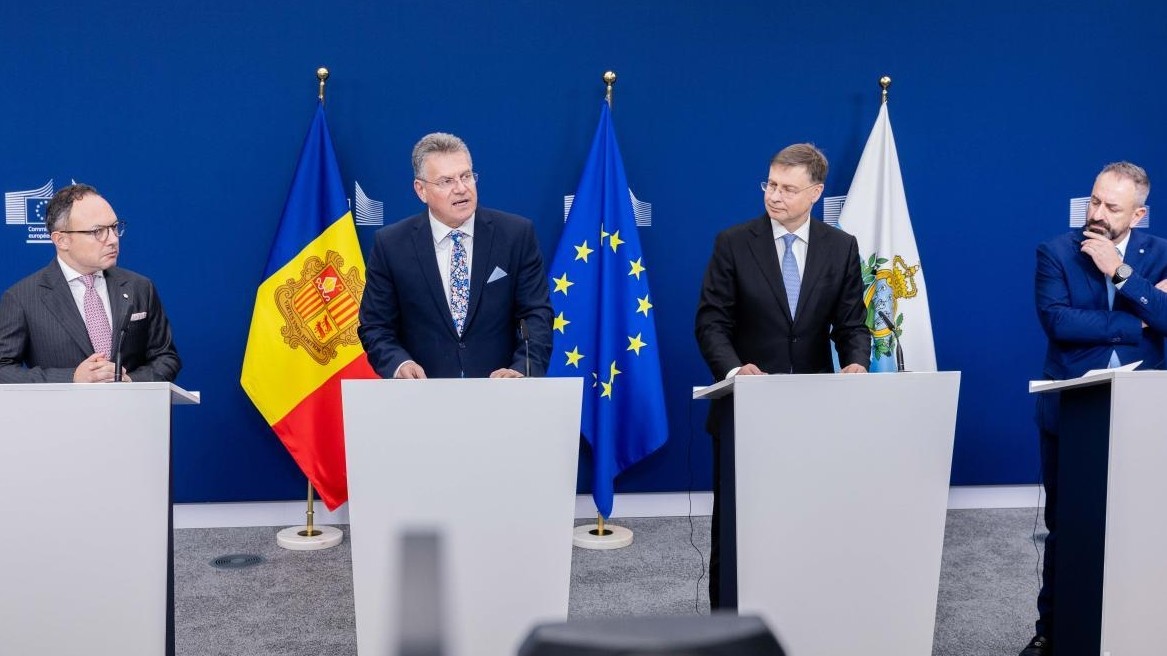
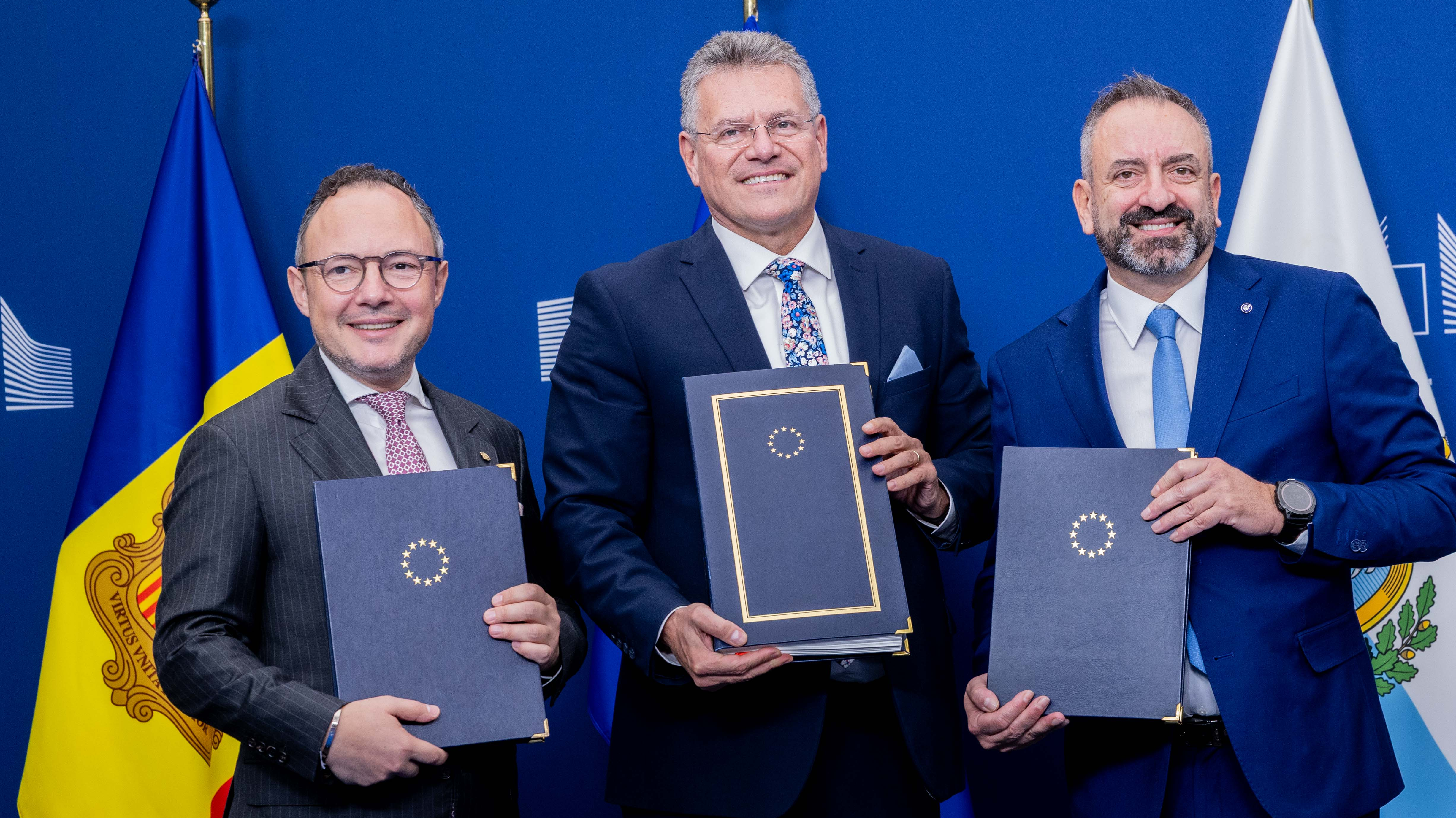
Andorra took one of the most significant diplomatic steps in its recent history on Monday, 19 October 2026, by signing the Association Agreement with the European Union
Head of Government Xavier Espot formalised the agreement alongside representatives of San Marino and the European Commission, bringing to a close a lengthy negotiation process that ha in Brussels.s shaped much of the Principality’s political and international agenda over the past decade.
The signing marks a historic milestone in Andorra’s foreign relations and strengthens the country’s stated intention to deepen its ties with European institutions.
However, the agreement does not enter into force as a result of the signing, nor does it begin provisional or immediate application in the Principality.
It must still pass through a ratification process involving the European Parliament, a public consultation in Andorra and the General Council.
Beyond its immediate legal consequences, the ceremony in the Belgian capital carries significant political, diplomatic and institutional weight.
Andorra is leaving the negotiating phase and entering a new stage in which it must decide whether to complete its closer integration with the European single market by approving the agreement.
A signing that concludes more than a decade of negotiations
The Association Agreement is the result of a negotiation process formally launched in 2015 between the European Union, Andorra, San Marino and, initially, Monaco, which later withdrew from the talks.
Negotiations continued for years as the parties sought a way for Europe’s small states to participate progressively in the EU single market without becoming member states.
In December 2023, Andorra and San Marino concluded political negotiations with Brussels. The text then underwent legal and institutional review within the European institutions.
Another decisive step came on 16 July 2026, when the Council of the European Union authorised the signing of the agreement and its possible provisional application, paving the way for Monday’s formal signing.
Since the 2023 elections, the Government has proposed different timetables for holding a referendum on the agreement, while the European Union has proceeded at its own pace.
The Government now says the referendum will be held after the European Parliament has ratified the text. It has also argued that holding the referendum separately from the general election will prevent the two processes from coinciding.
The agreement has fuelled intense political and social debate in recent years. According to the latest poll, 46% would vote against it and 33% in favour.
Against this backdrop, a demonstration has been called for Monday to demand a referendum. It will take place at 7 pm in Plaça del Consell General.
The Brussels ceremony therefore formally closes the negotiated text and opens the European ratification phase.
Comments
Molt bé, tot són meravelles…
Molt bé, tot són meravelles i beneficis d'aquest acord. Però on collons són els perjudicis? Per què no ens expliquen també tot el que podem perdre? Només cal mirar com està Europa: problemes gravíssims d'habitatge, salaris que no segueixen el ritme del cost de la vida, famílies cada vegada més ofegades i una desigualtat creixent. I nosaltres, que ja tenim prou problemes a Andorra, què collons hi hem d'anar a buscar? Tenim un país petit, segur, amb una qualitat de vida que hem de protegir. La nostra sobirania, les nostres empreses, els nostres ciutadans i, sobretot, el futur dels nostres fills han de passar per davant dels interessos polítics i econòmics de quatre privilegiats. No podem continuar amb un model en què cada vegada manen més els grans capitals i els petits acaben pagant les conseqüències. Mònaco va suspendre les negociacions amb la UE precisament perquè no volia comprometre el seu model social i econòmic ni les condicions d'habitatge i treball dels seus ciutadans. Per alguna cosa deu ser! Per què nosaltres no podem defensar el nostre país de la mateixa manera? Ja n'hi ha prou de vendre'ns la moto i d'ajornar el referèndum. Andorra no necessita que des de Brussel·les ens condicionin el futur. Necessitem polítics que defensin els interessos dels andorrans, no que ens vulguin convèncer que tot el que ve de fora és millor. Jo ho tinc claríssim: votaré NO. Perquè estimo Andorra, perquè vull preservar el nostre model de país i perquè no penso jugar-me el futur de les nostres filles i fills a canvi de promeses que ningú ens pot garantir. Que ens deixin tranquils d'una vegada!
Estaria bé que tothom…
Estaria bé que tothom conegués algunes de les conseqüències reals d'aquest acord, perquè no tot són les meravelles que ens expliquen!
Andorra haurà d'assumir legislació europea, també futura, sense tenir vot a les institucions que l'aproven. El Tribunal de Justícia de la UE tindrà autoritat en les matèries de l'acord. Això significa perdre una part de la nostra capacitat de decidir per nosaltres mateixos.
En immigració, tindrem quotes mínimes pactades amb Europa que no podrem reduir lliurement, nous drets de reagrupament familiar i residència permanent, i canvis en els requisits econòmics i les comprovacions d'antecedents penals de determinats residents comunitaris.
En habitatge, la lliure circulació de capitals pot limitar la nostra capacitat de restringir la inversió estrangera, malgrat algunes excepcions negociades. I amb els problemes gravíssims d'habitatge que ja tenim, només ens faltaria afegir-hi més pressió!
Les petites empreses andorranes hauran d'afrontar més competència exterior, noves exigències normatives i menys possibilitats de protecció en determinats concursos públics. També s'obrirà el mercat de les telecomunicacions, amb possibles conseqüències per a Andorra Telecom i els ingressos públics.
I tot això comportarà més despesa administrativa, que el mateix Govern estima en uns 3 milions d'euros anuals.
Algunes d'aquestes conseqüències són obligacions escrites a l'acord; altres són riscos que encara no s'han quantificat. Però totes mereixen una explicació clara abans de demanar-nos el vot.
Les excepcions negociades no garanteixen que puguem continuar decidint com fins ara. Algunes només serveixen per ajornar els canvis!
I jo em pregunto: qui ha calculat realment què podem perdre? Què passarà amb les nostres empreses, els nostres salaris, l'habitatge, la seguretat i el futur dels nostres fills? I si les promeses econòmiques no es compleixen, què farem?
Ja n'hi ha prou d'explicar només els beneficis! Que posin damunt la taula tots els perjudicis i que deixin decidir els andorrans amb tota la informació. Estem parlant del futur del nostre país, no d'un negoci per beneficiar uns quants!
Add new comment
Related news


Perfecte, ara només queda votar que no.