
Escalé says Government studies show “most businesses will not benefit from the EU agreement”
Concòrdia’s president says the agreement with San Marino includes more safeguards


The signing of the Association Agreement with the European Union in Brussels last Monday has not ended the debate over its economic impact.
Cerni Escalé, president of Concòrdia, who attended a demonstration outside the General Council that day calling for a referendum before the election, has questioned how the agreement’s benefits will be distributed. He made the comments to La Veu Lliure.
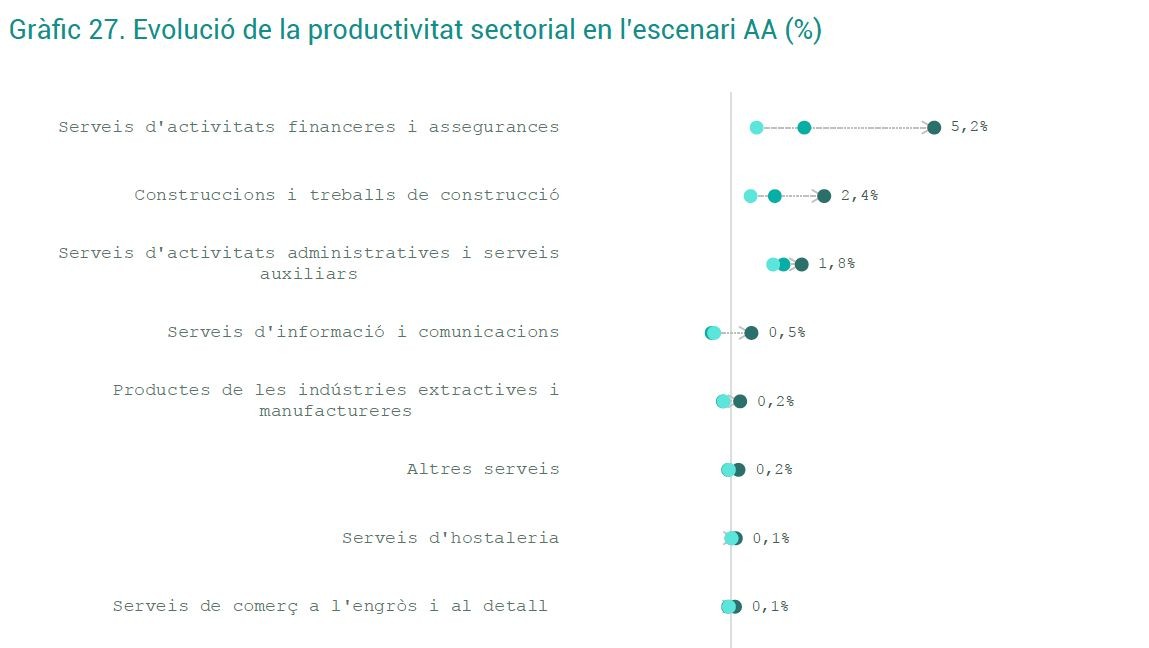
Escalé said that, according to the Government’s own studies, the sectors expected to grow most are financial activities, construction and real estate services. In his view, the impact would not be spread evenly across the country’s economic sectors.
Investment funds seen as the main financial opportunity
Escalé said growth in financial activities would not necessarily translate into a major boost for banks or self-employed finance professionals.
In his view, the agreement’s specific opportunity for the sector lies mainly in investment funds, which could obtain a European passport to operate in the EU market.
The arrangement would work both ways: the passport would give Andorran funds easier access to the European market and allow European investment funds to operate more easily in Andorra, increasing competition in the country’s financial sector.
This assessment echoes the debate raised by Eusebi Nomen over the potential of the European passport for Andorran funds. The academic and businessman said the change could allow Andorran funds to manage an additional €20 billion to €100 billion.
Construction and real estate linked to population growth
The Concòrdia president also linked the projected growth in construction and real estate activity to a significant population increase that, according to the Government studies he cited, could result from the agreement.
Escalé said this forecast was relevant to assessing the agreement’s impact on Andorra’s economic and social model. He stressed that growth in these sectors could not be considered separately from the demographic consequences projected in the same studies.
By contrast, he said productivity in professional, technical and scientific activities could decline. In his reading of the Government’s projections, some of this work would be carried out by companies from abroad.
Criticism of the negotiations and safeguards
Beyond the sectoral projections, Escalé believes the agreement consolidates the economic liberalisation promoted by Demòcrates, which he associates with what he calls the “current lack of control”.
The Concòrdia president argues that the debate is not only about access to new markets, but also about the terms on which the agreement was negotiated.
He compared Andorra’s text with San Marino’s and said the latter agreement includes more safeguards. His criticism therefore concerns both the expected distribution of benefits and the protections he believes Andorra should have secured in the negotiations.
Add new comment
Related news


