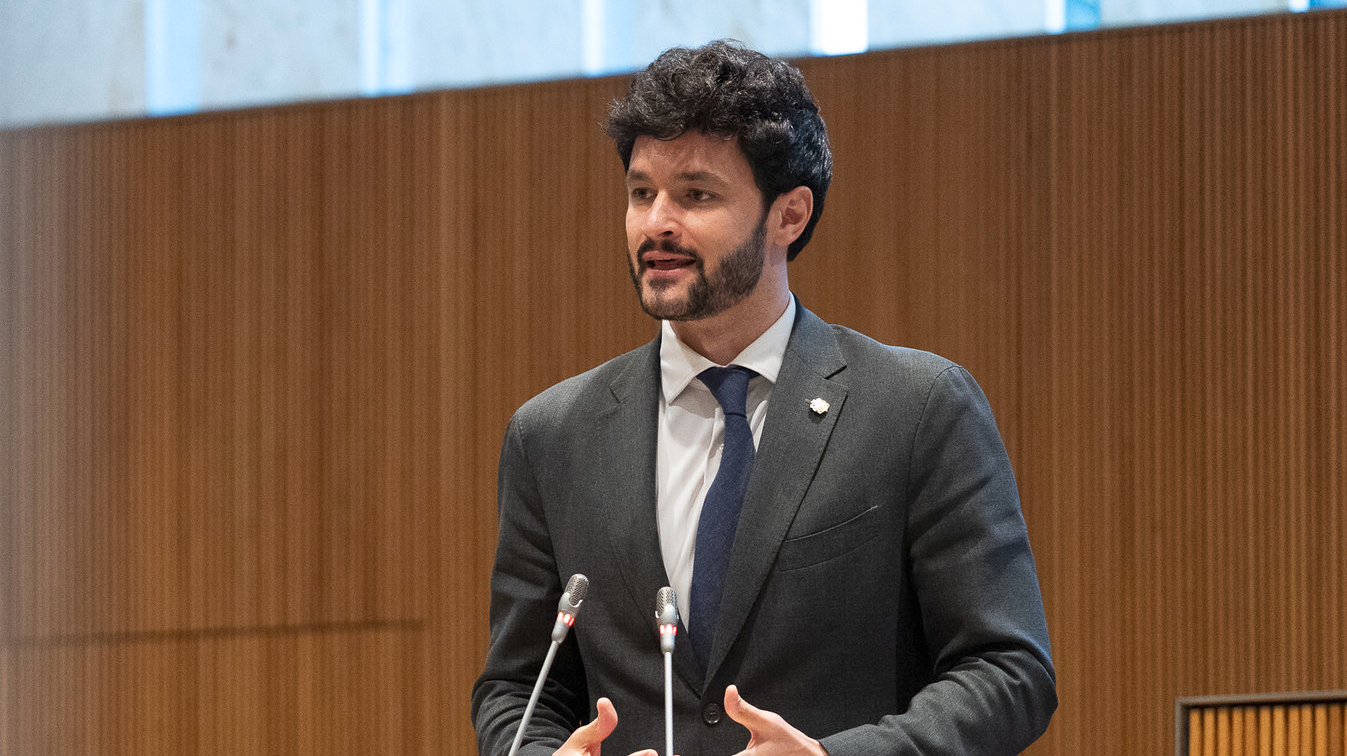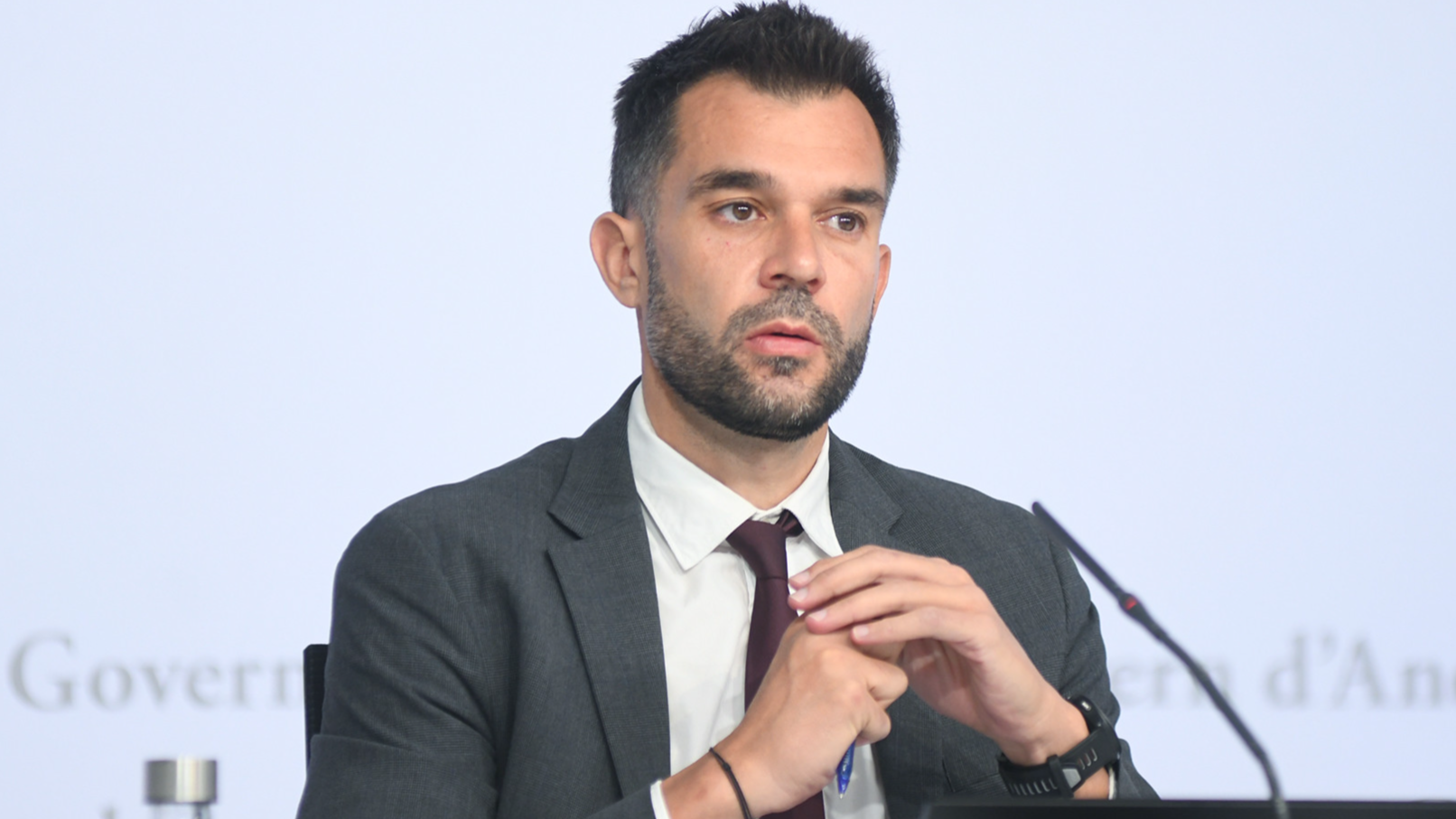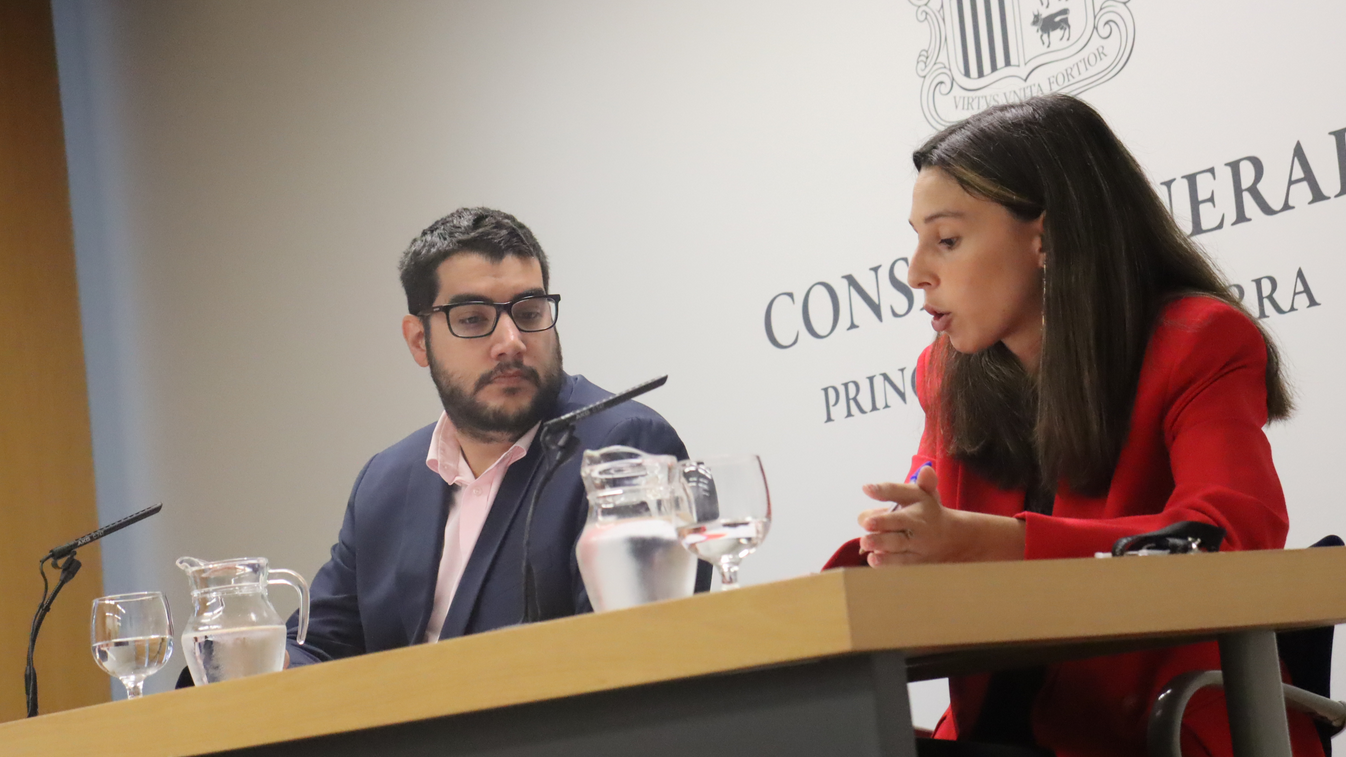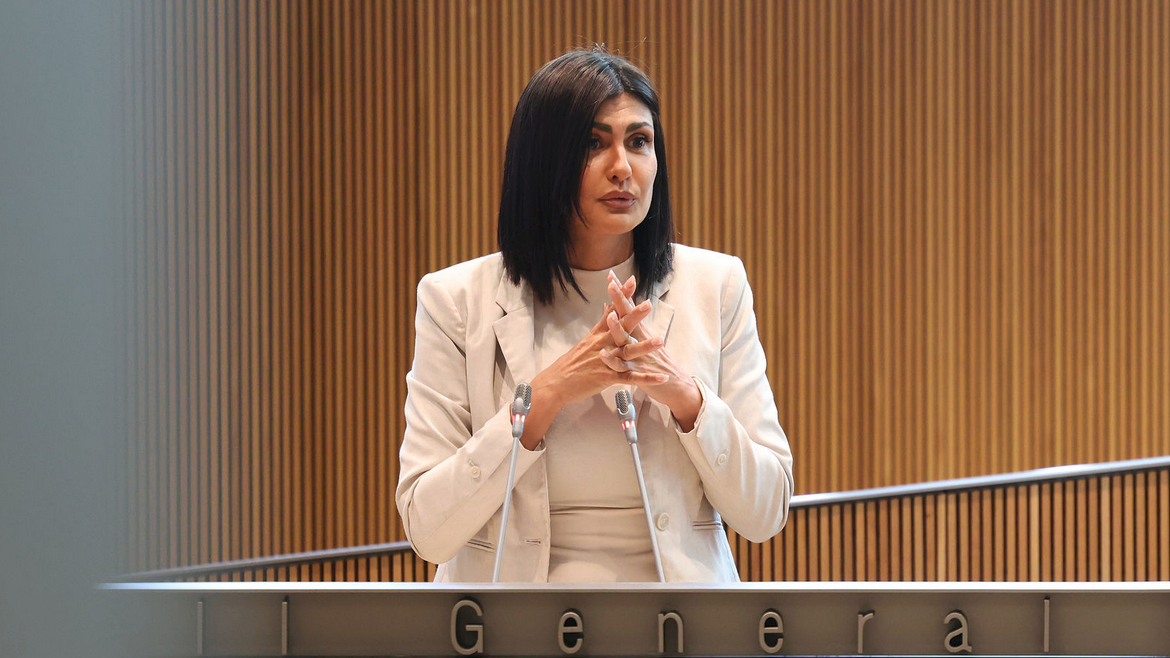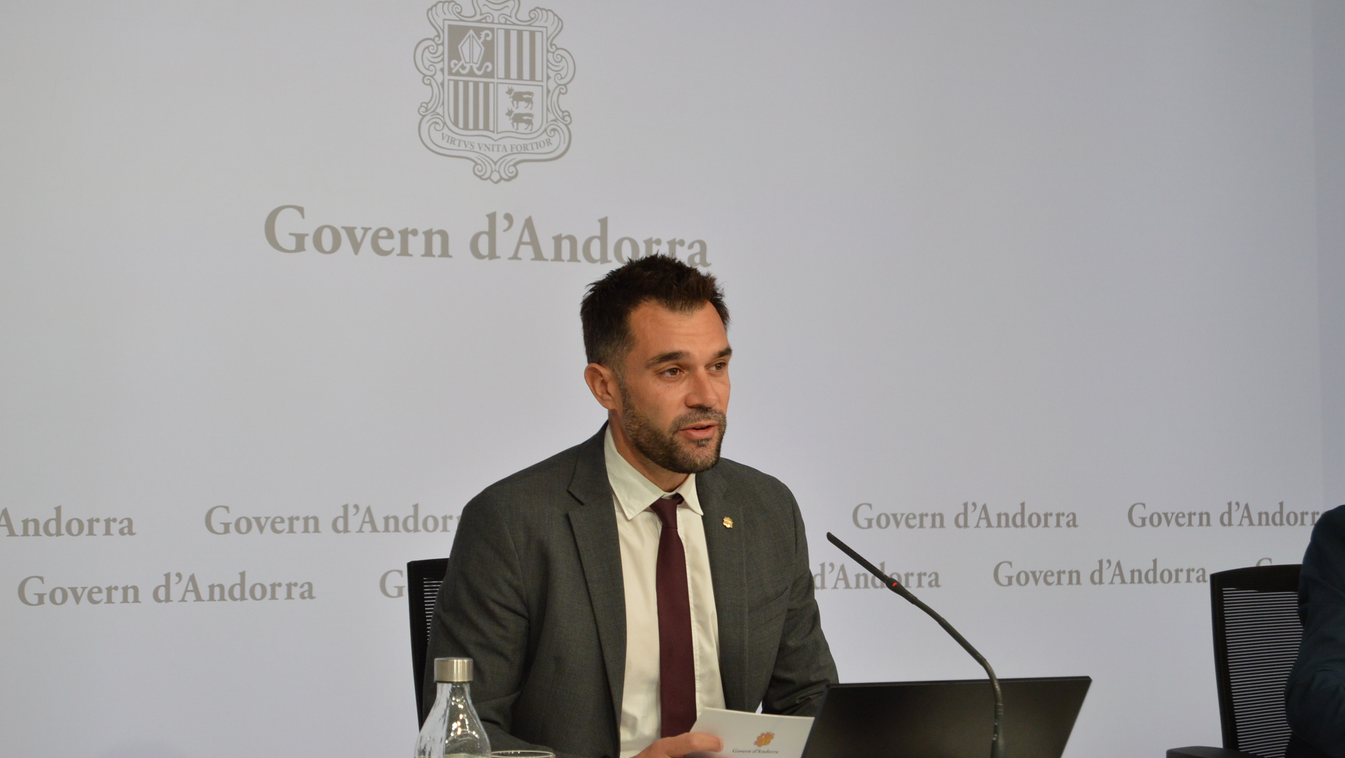
Government backs Andorra Endavant bill on concealing faces in public spaces
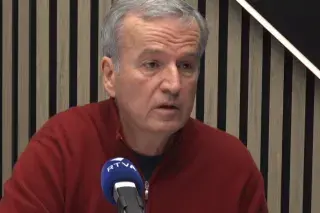
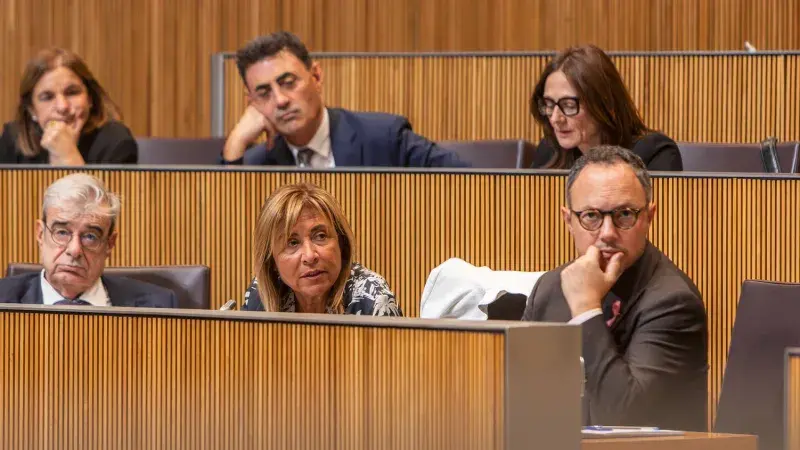
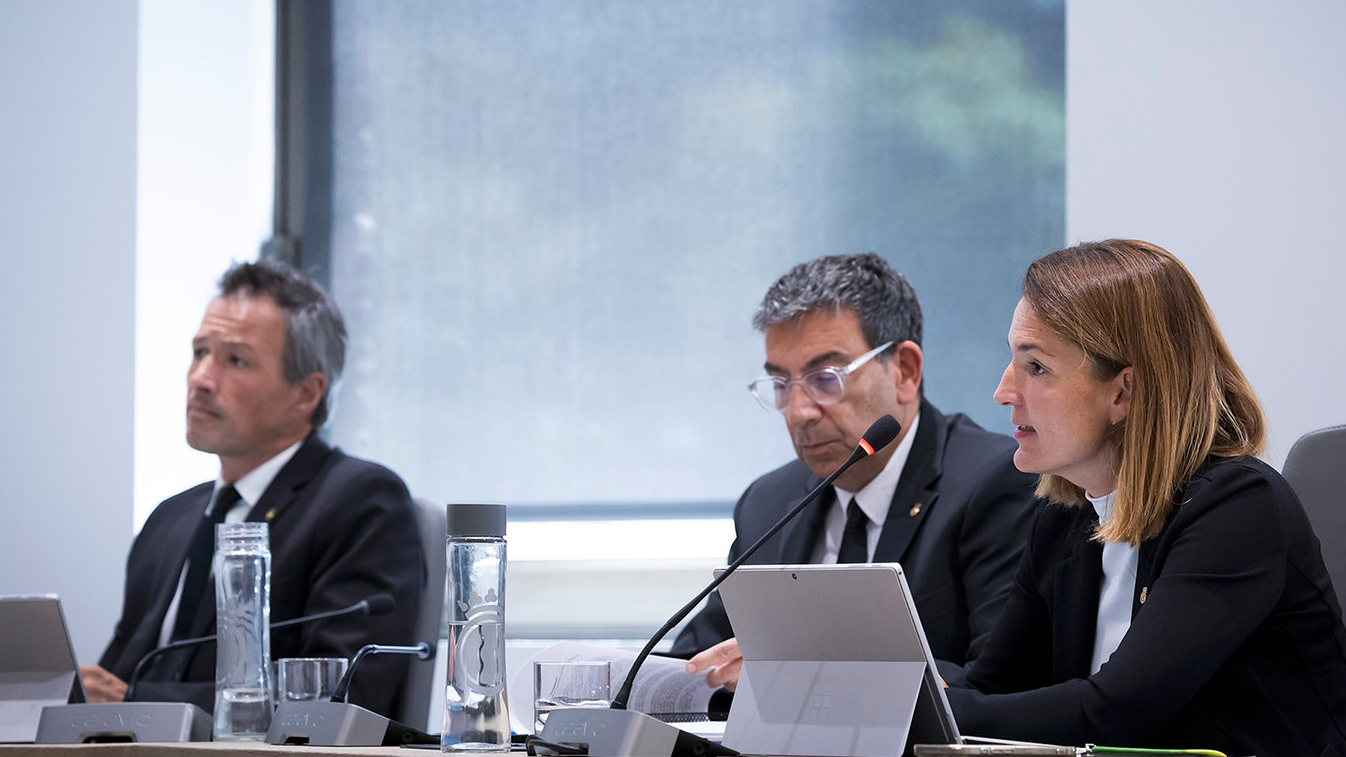
Interior Minister says clear rules are needed, but criticises duplication in the bill and calls for more legislative rigour

Institutional key points, legislative debates, and Andorra's future on the international stage. In this section, we analyze the Principality's political current affairs, covering everything from Executive decisions and General Council sessions to the structural challenges shaping the public agenda and everyday life.
Interior Minister says clear rules are needed, but criticises duplication in the bill and calls for more legislative rigour
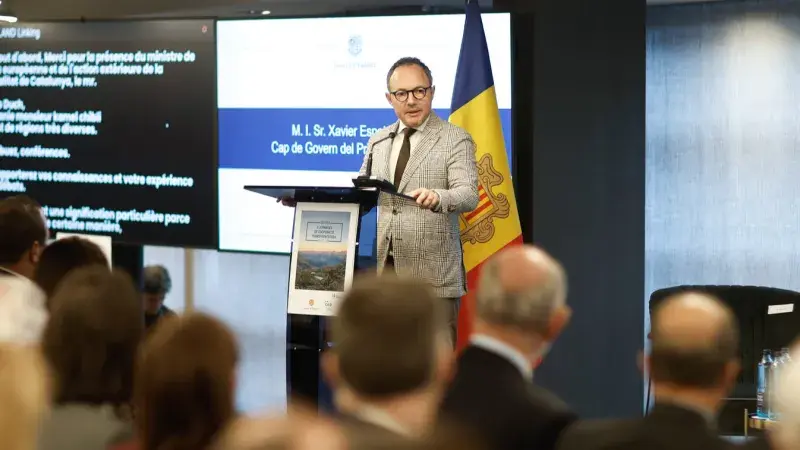
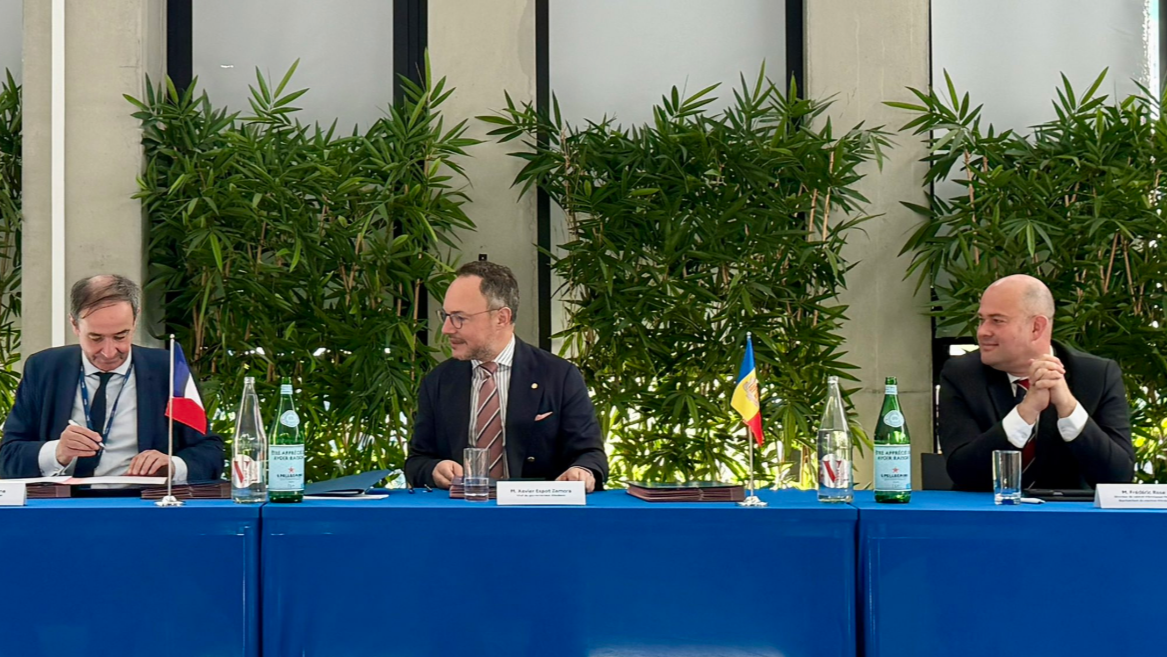
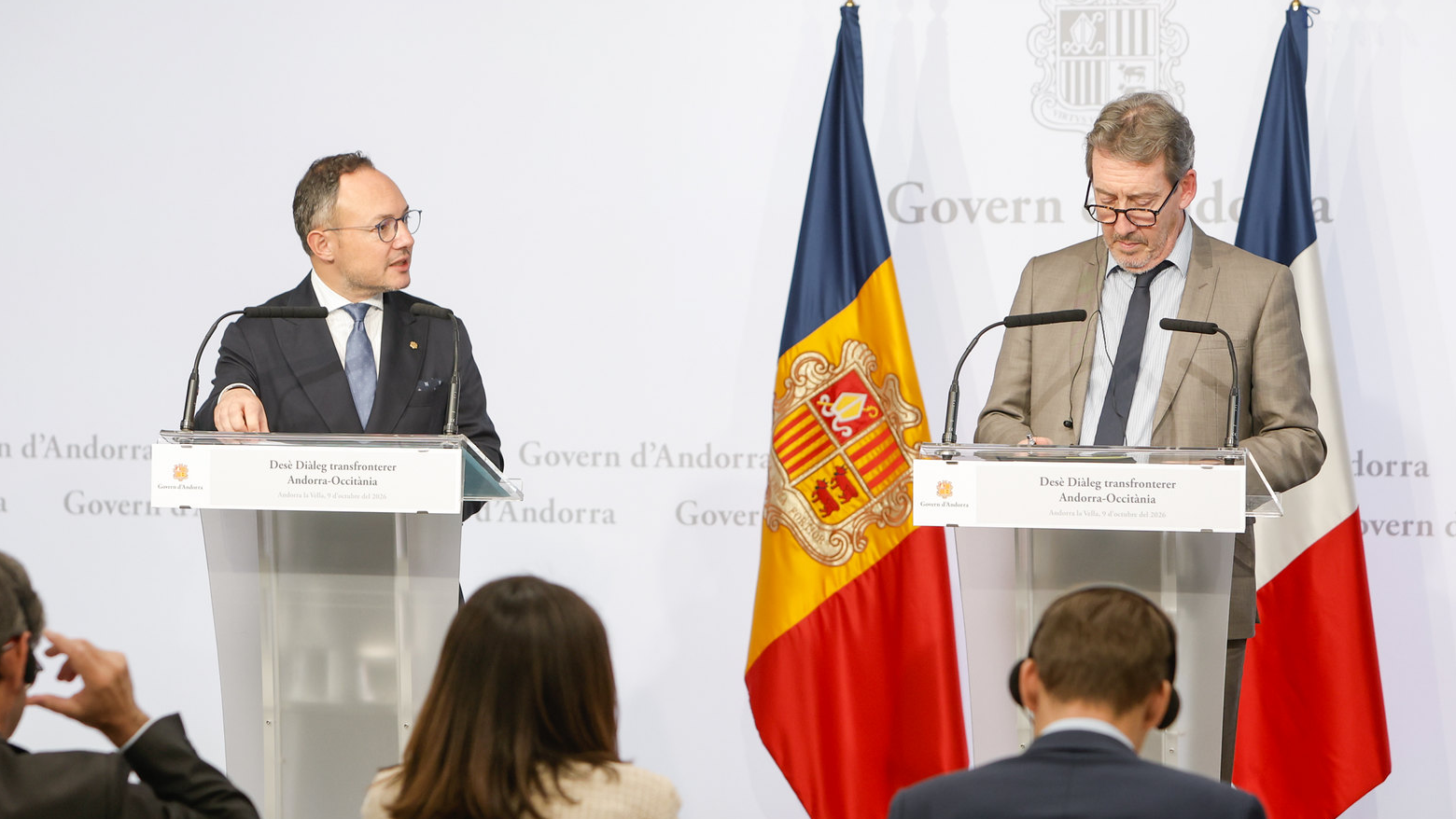
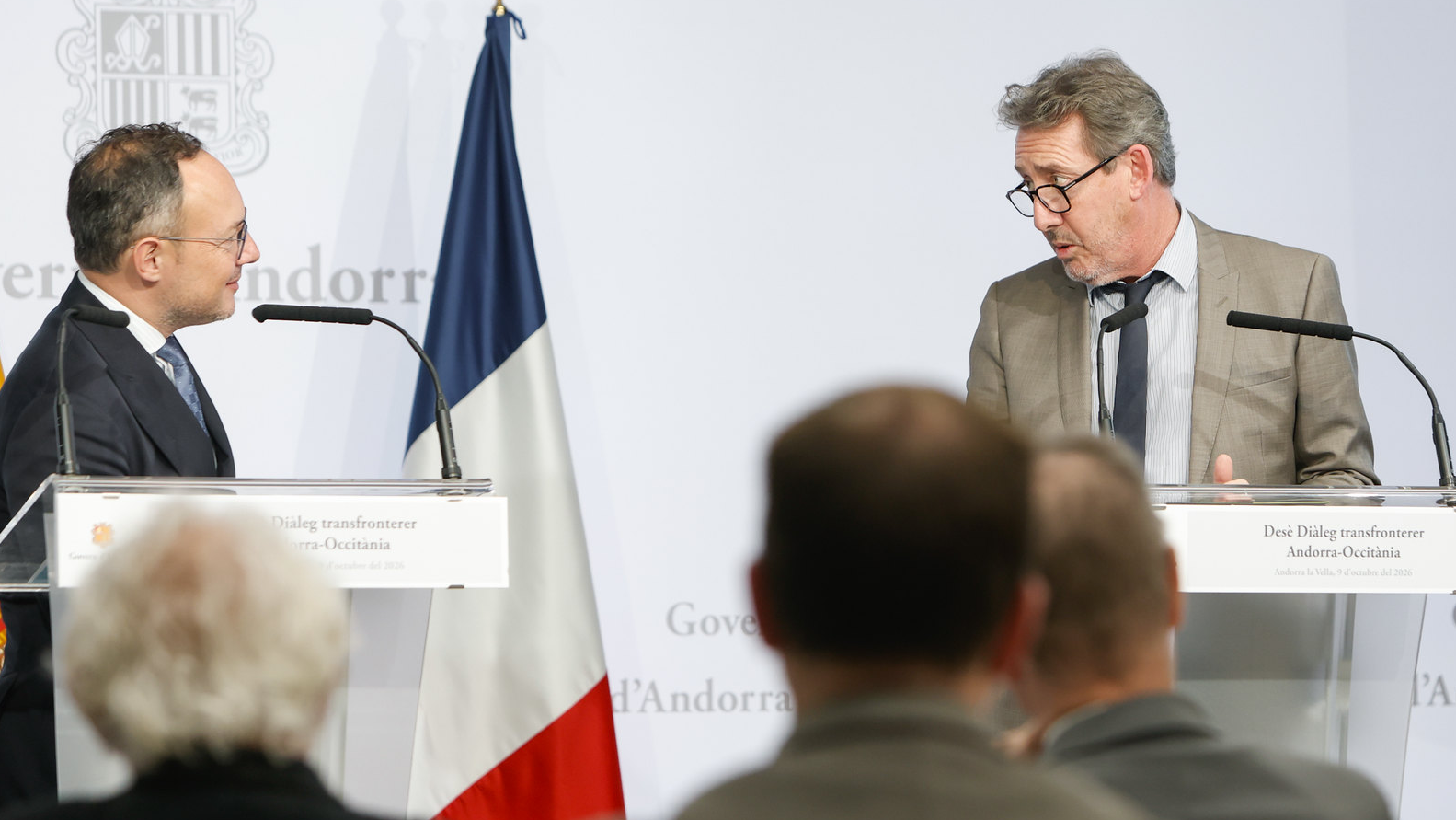
Andorra’s head of government says the Pyrenees share challenges including climate change adaptation and mobility
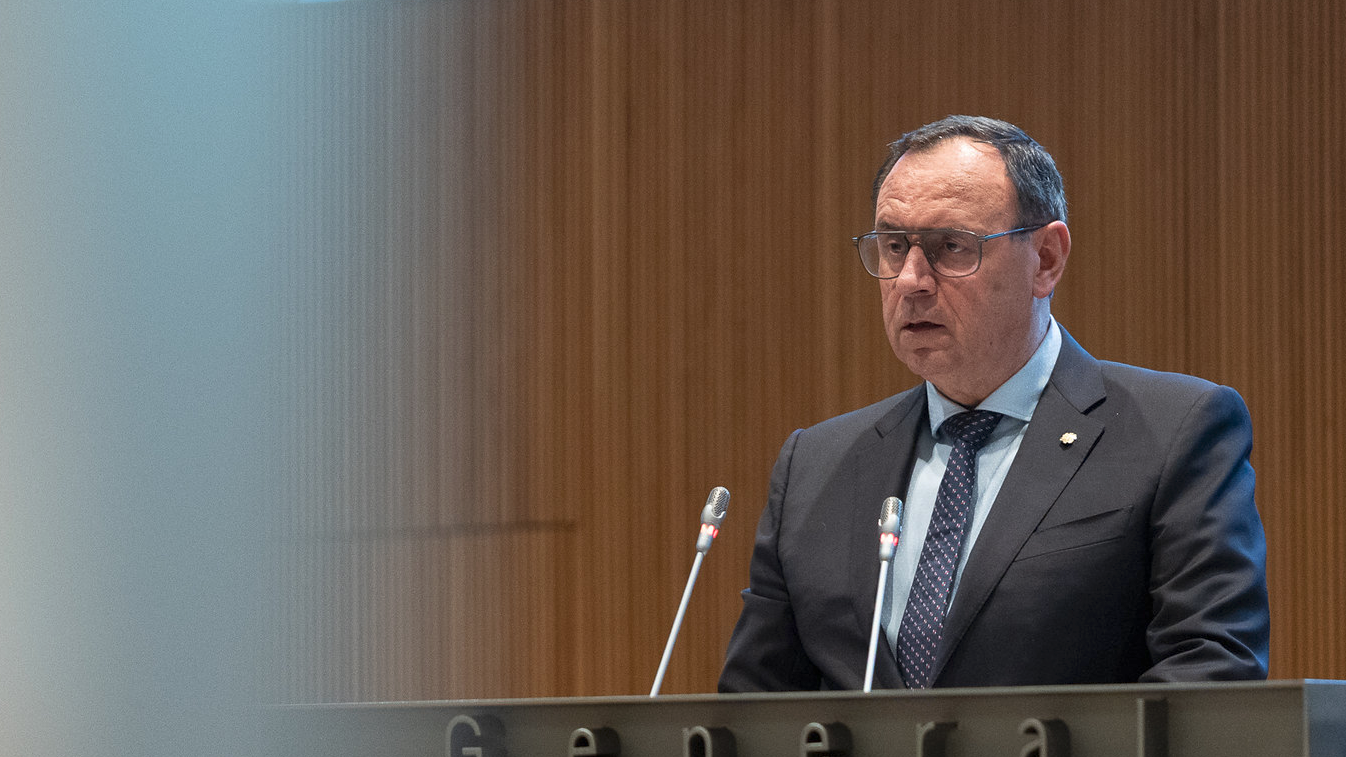
The Andorran political landscape is experiencing a period of profound transformation, marked by far-reaching domestic challenges and the need to consolidate its position internationally. Legislative initiatives and parliamentary debates aim not only to stimulate the economy, but also to safeguard stability and social welfare in an increasingly complex global environment.
A central axis of the public debate centers on housing management and the rising cost of living, which dominate discussions among the various political factions in the General Council. Regulatory reforms concerning immigration, real estate market adjustments, and measures to protect purchasing power remain top priorities for both the government and opposition.
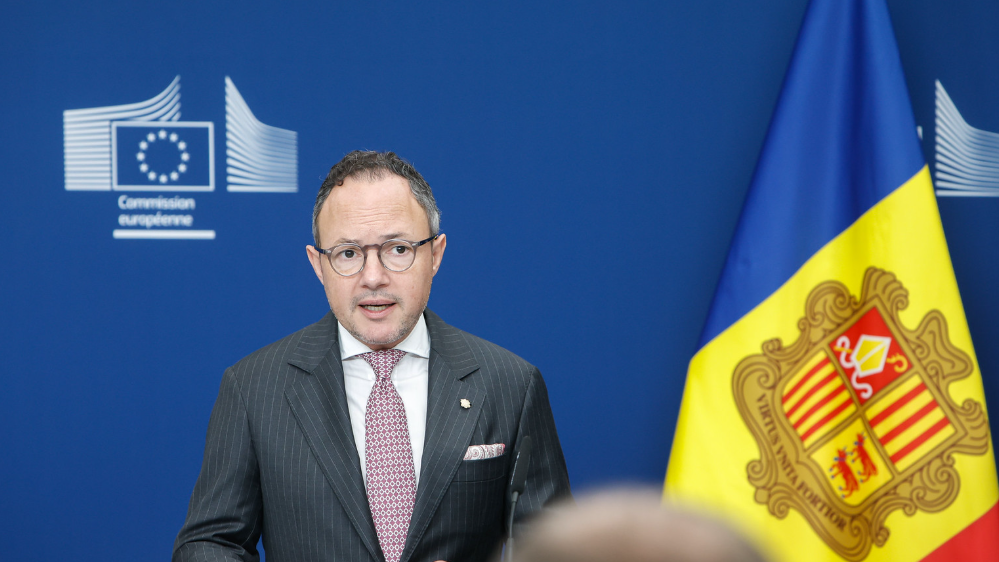
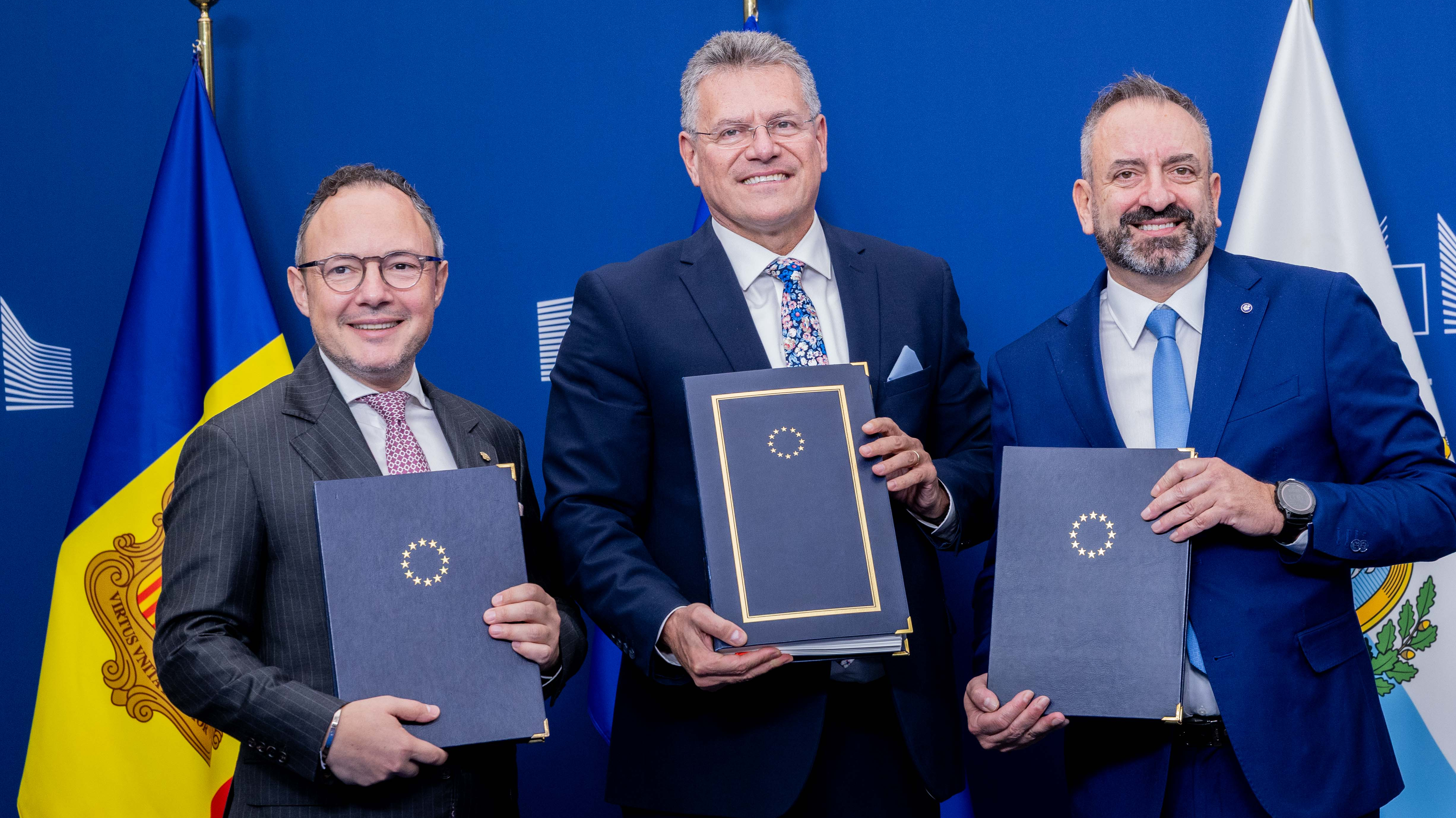
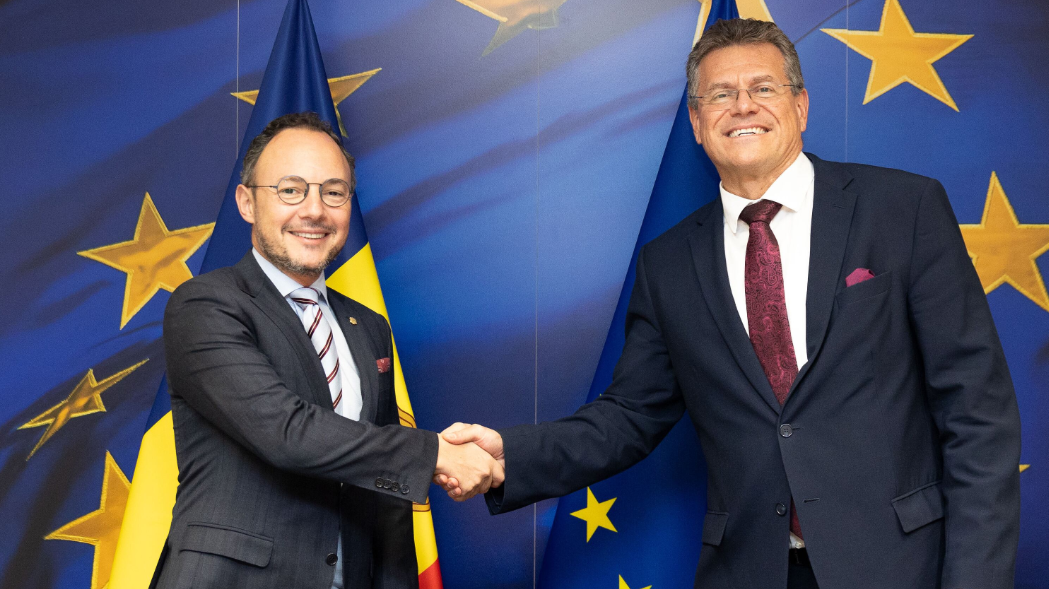
Simultaneously, negotiations and progress regarding the Association Agreement with the European Union continue to be a fundamental strategic matter. Striking a balance between integration into the European internal market and preserving national specificities, such as fiscal sovereignty, security, and the unique institutional framework, sparks ongoing discussions across both political circles and civil society.
On a local level, relations between the central Government and the Comuns play a decisive role in territorial cohesion. Meanwhile, cross-border cooperation with Catalonia, Spain, and France completes a landscape where regional diplomacy is vital for infrastructure development, tourism, and environmental policy across the Pyrenees.